During a recent mindfulness group session, participants shared how amazed they were by the profound benefits of mindfulness practices on their neurological symptoms and overall wellbeing.
Many had been skeptical at first about how such a simple practice could make such a difference.
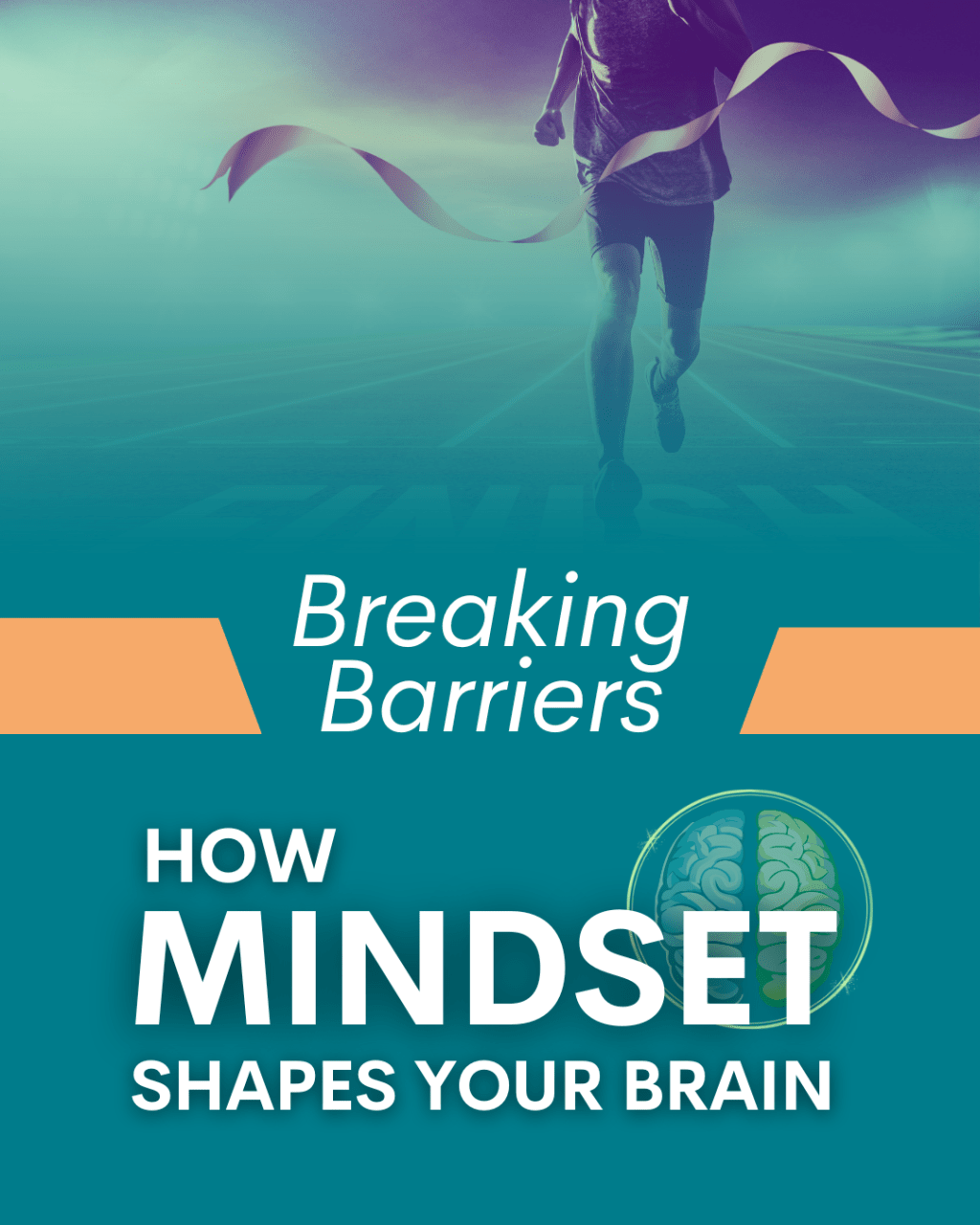
This reminded me of a fascinating story about how Roger Bannister changed the world of athletics forever.
Before 1954, running a mile in under 4 minutes was considered physically impossible. Experts claimed the human body simply couldn’t achieve it.
Many attempted this over the years, but no one had managed to break that elusive barrier.
Then Bannister broke it.
The most remarkable part? Within just 46 days, John Landy broke it too. Within three years, 16 other runners had accomplished this “impossible” feat.
What changed? Not human physiology – but mindset.
📍How Mindset Shapes Your Brain
Your brain is incredibly responsive to your beliefs. When you believe something is possible, your brain literally creates new neural pathways to support that possibility.
Just like those runners who suddenly believed in breaking the 4-minute barrier, I’ve seen remarkable transformations when people shift their mindset about their brain health potential.
Here are 3 powerful insights about mindset and your brain:
🌟1️⃣ The Power of Possibility
Your brain’s stress response changes based on how you perceive challenges.
When you view something as “impossible,” your brain releases stress hormones that can actually inhibit performance.
But when you shift to viewing it as “challenging but possible,” your brain releases motivation chemicals like dopamine while reducing stress hormones – creating an optimal state for learning and performance.
I’ve seen patients transform their relationship with stress just by understanding this simple but powerful shift.
🌟2️⃣ Small Steps, Big Breakthroughs
Bannister didn’t just wake up one day and break the record – he used a methodical, scientific approach.
Your brain loves this kind of systematic progress.
Start with 2 minutes of mindfulness rather than aiming for 30min.
Begin with a 5-minute walk rather than training for a marathon.
Each small success rewires your brain’s reward circuits, making the next step feel more achievable.
🌟3️⃣ The Ripple Effect
When you see others succeed, your brain’s mirror neurons activate – literally rehearsing their success in your own neural circuits.
This is why group support can be so powerful in creating lasting change.
Whether it’s a mindfulness practice, movement habit, or nutritional change – seeing others succeed makes your own brain believe it’s possible.
I often notice how sharing success stories in group sessions creates a cascade of positive changes across participants.
This is what motivates me to deliver group work in my NHS practice and also for my online BRA(i)NS ® Method masterclasses and mentorships.
📍Question for you today
What’s one “impossible” health goal you might reconsider as “possible” today?
Wishing you breakthrough moments, Dr Sui Wong
PS – You may wish to check out my book, “Mindfulness for Brain Health” which delves more into the brain benefits of mindfulness A favourite part of the book is how it is actionable for mindful moments that you can create in your daily life.🌟
PPS – Next week, I’ll share more about how you can apply these mindset principles to create lasting brain-healthy habits!
Oh yes, did I mention that Roger Bannister was also a Neurologist? 🙂
 Dr Sui Wong Empowering Your Brain Health
Leave a comment