On a recent call with my mother, I couldn’t help but smile at her enthusiasm as she described her new reflexology class.
In her golden years (I am not allowed to mention her age😂), she is actively engaged in learning and loves to share her new knowledge!
I love learning, too – whether it is a new topic, or understanding nuances that enhance what I previously understood.
Our brains thrive on novelty and learning at any age!
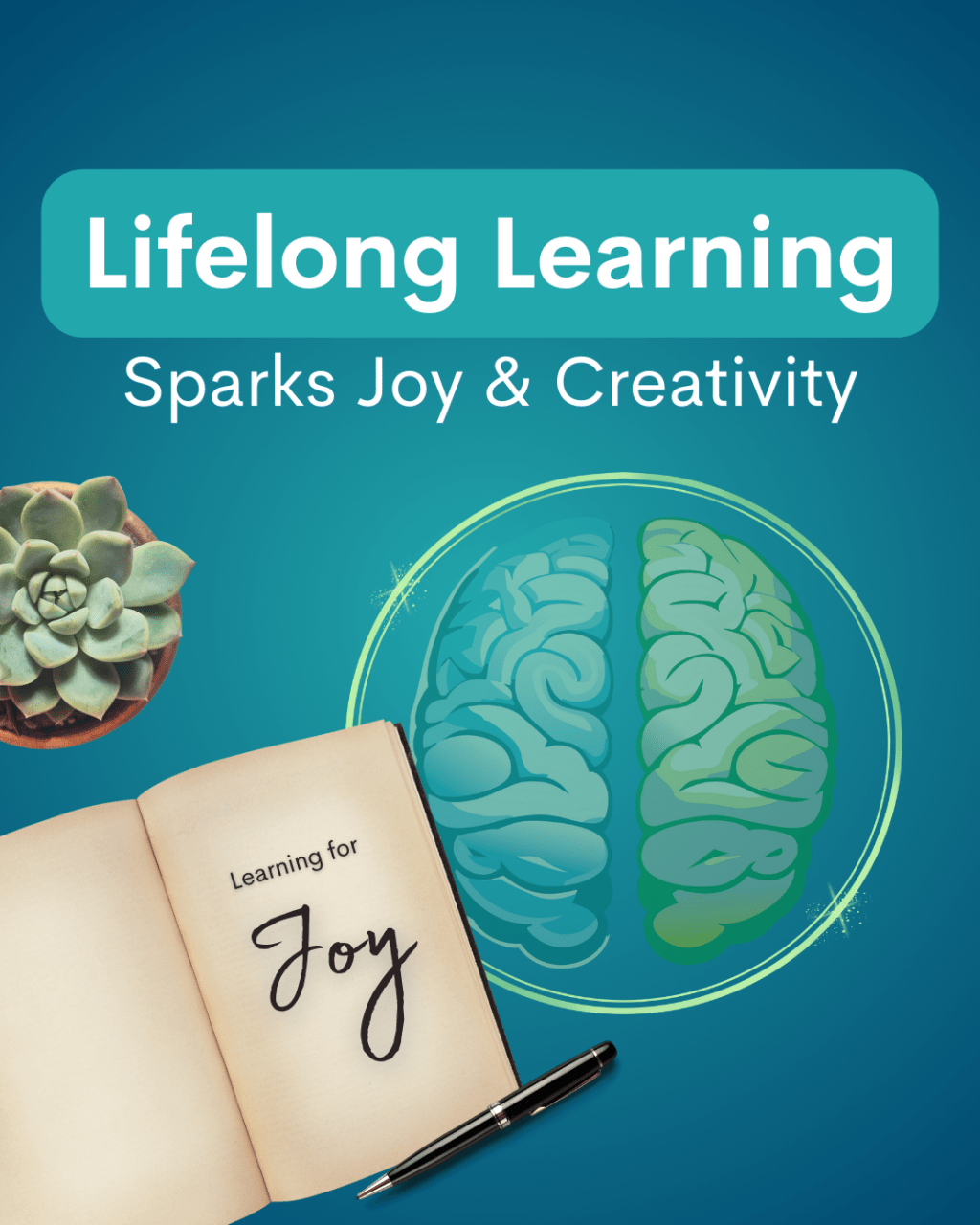
So today’s Thursday Tips [TT], inspired by my mother, is about the transformative power of lifelong learning ❤️
By the way, this post complements last month’s newsletter (Brain Gains on 6/2/25) – if you wish to dip back into that one.
📍Your Brain on Learning
Did you know? Your brain continuously rewires itself through learning, and even brief learning sessions can trigger measurable changes in neural activity patterns.
Each time you learn a new skill – whether it’s playing an instrument, speaking a new language, or engaging in a course (perhaps one of my BRA(i)NS® Method Masterclasses😉) – your brain creates fresh neural pathways.
These pathways contribute to what neuroscientists call your “cognitive reserve” – think of it as your brain’s resilience bank account.
The more diverse your learning experiences, the richer and more interconnected your neural networks become, creating a buffer against cognitive decline as you age.
📍Here are 3 powerful insights about learning and your brain:
🌟1️⃣ The Protective Power of Curiosity
Studies show that people who engage in lifelong learning activities have a significantly reduced risk of developing dementia and cognitive impairment.
Meaningful, challenging learning experiences create the most significant benefits.
New experiences trigger the release of dopamine and norepinephrine in the brain – neurochemicals that enhance focus, motivation, and memory formation.
🌟2️⃣ Creative Cross-Pollination
Learning in one area often sparks unexpected creativity in another.
When you learn something new, your brain creates connections between previously unrelated neural networks.
This is why I often find that after diving into a new subject, I suddenly have fresh ideas for my clinical practice or writing – the neural connections are buzzing with activity!
🌟3️⃣ The Joy of Beginner’s Mind
There’s something beautifully liberating about being a beginner – embracing the uncertainty, celebrating small victories, and giving yourself permission to make mistakes.
In Japanese Zen philosophy, this is called “Shoshin” or “beginner’s mind” – an attitude of openness and lack of preconceptions, even when studying at an advanced level.
This state of curiosity activates your brain’s reward centres, releasing dopamine that creates feelings of pleasure and satisfaction.
This is why that “aha!” moment when you grasp a new concept feels so rewarding!
📍Question for you today
What new skill or subject would you like to explore this week?
Wishing you joyful discoveries,
Dr Sui Wong
PS – If you’re interested in learning more about balancing your nervous system (combining neuroscience with practical tools), join my upcoming
~ BRA(i)NS® Method Masterclass ~
From Stress to Strength: Balancing Your Nervous System for Calm, Clarity, and Peak Performance
When? March 25, 2025, 5-6pm GMT (1pmET, 10am PT) – can’t attend live? You get access to the recording (and other bonuses) when you sign up.
PPS – For those who recently voted for a Masterclass on Balancing the Autonomic Nervous System, your voice counted, with the above Masterclass as the first in my series!
If you’ve not yet voted, and would you like to shape future BRA(i)NS® Method Masterclass topics, I’d love to hear from you! Click here to register your vote, thank you 🙂
*references: PMID 22445346; 23079557; 29540321; 25284006
Spread the love! ❤️ Share this post with someone who will enjoy my Thursday Tips [TT].
Please sign up to the [TT] newsletter via bit.ly/drwongbrainhealth to get this delivered to your inbox every Thursday!
INSTAGRAM: drsuiwong.neurologist | LINKED IN: linkedin.com/in/dr-sui-wong-neurologist
My mission here is to share good quality, actionable information that empowers people to improve their brain health and wellbeing.
Thank you for your support!
 Dr Sui Wong Empowering Your Brain Health
Leave a comment