I mentioned last week about speaking at the Myasthenia Gravis Foundation of America international conference, on Mindfulness in Myasthenia Gravis (MG).
The Hague, where the conference was held, is known as the “International City of Peace and Justice” – home to the International Court of Justice and over 150 international organisations.
Another fun fact – I have been doing research in MG for over 15y, and lead a specialist NHS service for the ocular aspects of MG. For those unfamiliar, MG is an autoimmune condition that causes fluctuating muscle weakness, often first affecting the eyes and eyelids, making activities like reading or driving challenging.
I spoke about Mindfulness for MG.
As a subscriber to my Thursday Tips (thank you!), you’ll know that I am passionate about sharing science-backed lifestyle-based approaches for brain health and wellbeing.
I was both surprised and happy to be invited to speak about Mindfulness at MGFA – happy about an increasing open-mindedness in the medical/ scientific community on lifestyle-based approaches like Mindfulness.
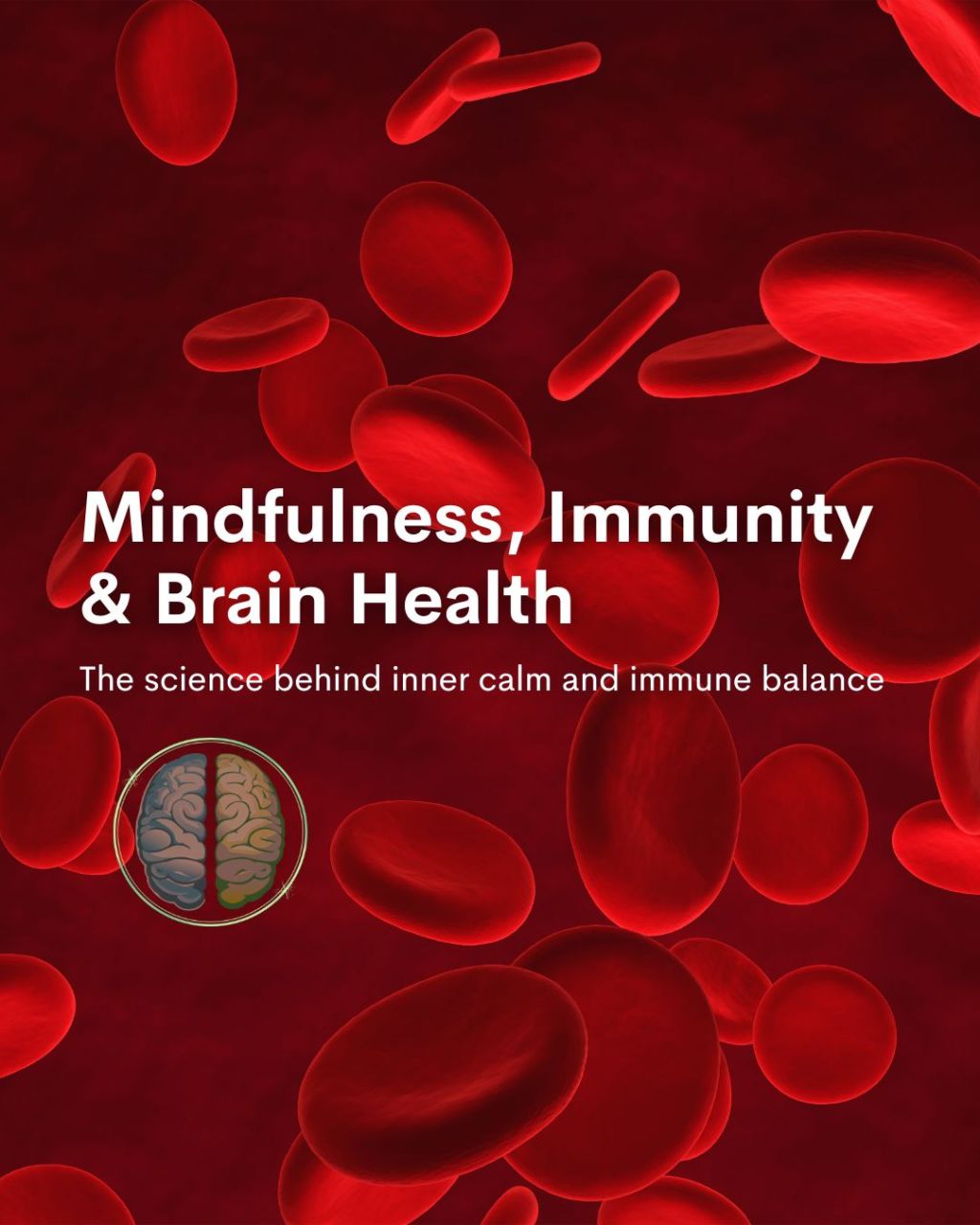
This got me thinking about the connection between our brain, immune system, and how mindfulness practices can create positive shifts in immune function.
📍3 Immune Benefits of Mindfulness Practices
🌟1️⃣ Inflammation Regulation
Mindfulness practices help reduce inflammatory markers in the blood (for those interested in details: this includes cytokines like IL-6 and TNF-alpha).
Even brief daily meditation sessions can lead to reduced expression of genes involved in inflammation.
This anti-inflammatory effect not only supports immune balance but also directly protects your brain cells from inflammatory damage that can impair memory, focus, and overall cognitive function.
🌟2️⃣ Stress Response Modulation
Chronic stress activates your sympathetic nervous system, triggering the release of stress hormones like cortisol that can dysregulate immune function.
Regular mindfulness practice strengthens your parasympathetic nervous system – your body’s “rest and digest” mode.
This shift helps maintain healthy immune cell activity and prevents the immune suppression that often accompanies chronic stress.
🌟3️⃣ Enhanced T-Cell Function
Mindfulness can influence T-cell activity – immune cells that help coordinate immune responses, and is important in autoimmune conditions, where T-cells often become dysregulated.
A study with mindfulness meditators found improved T-cell responses after just 8 weeks of practice.*
This balanced T-cell function helps prevent excessive neuroinflammation, creating an environment where your brain cells can form new connections and maintain healthy communication networks.
📍Try This:
Take a 5-minute mindful walk in a nearby park or green space.
Notice the colours, shapes, and movements around you.
Pay attention to the sounds of nature, the feel of air on your skin, and the sensation of your feet connecting with the ground.
This nature-based mindfulness practice has been shown to reduce stress hormones and support immune function.*
📍Question for you today
What’s one small moment in your day when you could incorporate a brief mindfulness practice to support your immune health?
Wishing you balance and well-being,
Dr Sui Wong
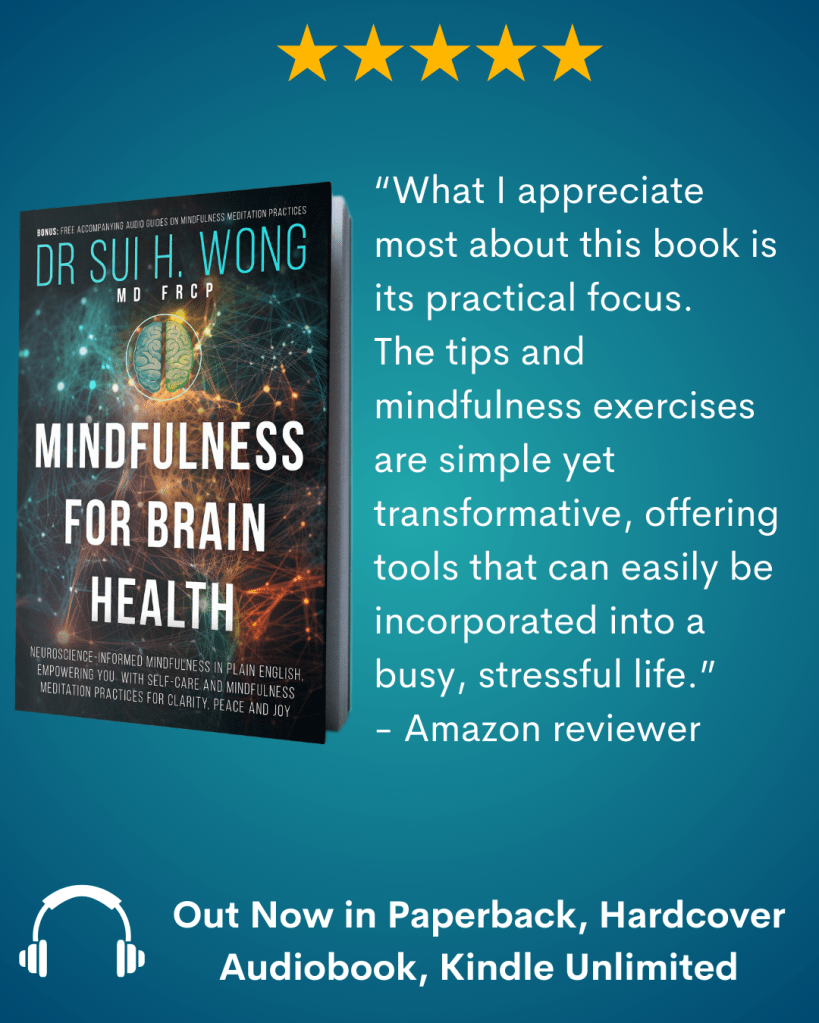
PS – In my book Mindfulness for Brain Health, I share practical mindfulness practices you can integrate into your daily life – to create mindful moments throughout your day 😊 The book includes FREE guided practices to help you get started.
*Davidson et al, 2003. PMID 12883106; Li et al, 2009. PMID: 20074458
Dr Sui Wong
Registered Address: 95 High Street HA8 7DB, United Kingdom. www.drsuiwongmd.com
Books: Mindfulness for Brain Health , Break Free From Migraines Naturally, Sleep Better to Thrive, Quit Ultra-Processed Foods Now, Sweet Spot for Brain Health
Spread the love! ❤️ Share this email with someone who will enjoy my Thursday Tips [TT] newsletter.
If you received this as a forwarded email, please sign up to the [TT] newsletter via bit.ly/drwongbrainhealth
INSTAGRAM: drsuiwong.neurologist | LINKED IN: linkedin.com/in/dr-sui-wong-neurologist
My mission here is to share good quality, actionable information that empowers people to improve their brain health and wellbeing.
Thank you for your support!
 Dr Sui Wong Empowering Your Brain Health
Leave a comment