Last week we talked about clearing the air for better brain health.
This week, I want to share some recent research that made me pause and rethink a few of my daily habits.
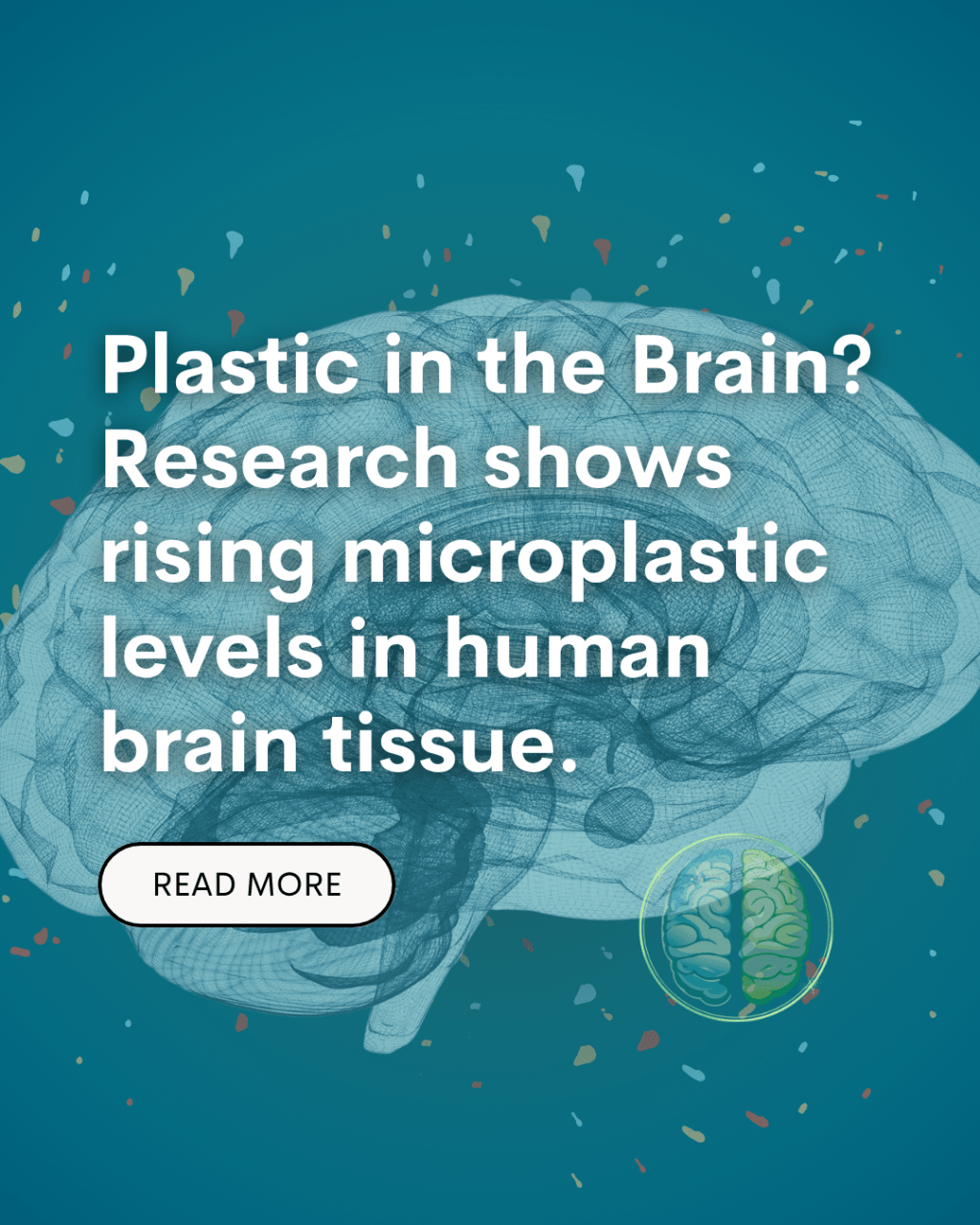
A study just published in Nature Medicine found something that caught my attention as a neurologist: microplastics in every single brain sample they examined.
But here’s what really stood out – brain samples from 2024 had 50% higher concentrations of microplastics than samples from 2016. That’s a significant increase in just 8 years!
Even more concerning? Brains from people with dementia had 3 to 5 times higher concentrations of microplastics than those without dementia.
While we can’t prove causation yet, these findings suggest it’s worth being more mindful about our plastic exposure, especially since there are simple swaps we can make.
📍Why Microplastics Matter for Your Brain
Microplastics are tiny fragments of plastic – smaller than 5 millimeters – that can come from food packaging, water bottles, and even synthetic clothing.
The brain study found that these tiny plastic particles can cross the blood-brain barrier and accumulate in brain tissue.
Brain samples contained 7 to 30 times more microplastics than liver and kidney samples, suggesting our brains may be particularly vulnerable.
Most of the plastic particles found were polyethylene – the most common plastic used in food and drink packaging, plastic bags, and bottles.
The research shows microplastic concentrations are rising over time, likely reflecting our increasing use of plastic in daily life.
📍3 Smart Swaps to Reduce Microplastic Exposure
🌟1️⃣ Rethink Your Drink
A 2024 study found that 1 liter of bottled water contained an average of 240,000 plastic particles from seven types of plastics!
Invest in a quality water filter for your home instead of buying bottled water. This reduces both plastic exposure and saves money long-term.
Use glass or stainless steel water bottles, especially for hot drinks. Heat can increase the migration of chemicals from plastic into your beverage.
If you use plastic bottles, avoid leaving them in hot cars or direct sunlight, and avoid reusing single-use plastic bottles.
🌟2️⃣ Smart Food Storage
Microplastics can migrate from packaging into our food, especially when heated.
Avoid heating food in plastic containers in the microwave. Instead, transfer to glass or ceramic dishes first.
Store leftovers in glass containers when possible, particularly for acidic foods like tomato sauce that can leach more chemicals from plastic.
Choose fresh produce over pre-packaged when you can, and transfer packaged items to glass containers at home.
If you use plastic food storage, avoid putting hot food directly into plastic containers – let it cool first if possible.
🌟3️⃣ Be Plastic-Aware in Daily Life
Small changes in daily habits can reduce your overall plastic exposure.
Bring a reusable shopping bag – those thin plastic bags break down into microplastics more easily.
Choose natural fiber clothing when possible. Synthetic fabrics shed microfibers when washed, which can end up in our water supply.
At the coffee shop, bring your own mug or ask for a ceramic cup if staying in. Those plastic lids and cups can shed particles, especially with hot liquids.
Consider wooden or bamboo utensils for takeaway meals instead of plastic ones.
All these actions you take not only benefit you directly, but also reduce the environmental burden of plastic, benefitting others too.
📍Question for you today
Which plastic swap feels most manageable for you to try this week?
Wishing you cleaner choices and clearer thinking,
Dr Sui Wong
PS – am I hitting the mark with this theme of toxins/ detox for you brain health? I feel it is a fine line (and sometimes difficult balance) between avoiding fear/ empowering people with information they can act on. So I’d love to hear from you about what you find useful with the Thursday Tips newsletters, and what questions/topics you’d like me to cover on a future. Please reply to help me shape this newsletter to keep this engaging and useful for you, thank you! 🙂
PPS – Next week, I’ll share how to supercharge your body’s natural detox systems through food, hydration, and movement – because your liver and kidneys are already doing an amazing job of protecting you!
*References: PMID 39901044, 38190543
Dr Sui Wong
Registered Address: 95 High Street HA8 7DB, United Kingdom. http://www.drsuiwongmd.com
Books: Mindfulness for Brain Health , Break Free From Migraines Naturally, Sleep Better to Thrive, Quit Ultra-Processed Foods Now, Sweet Spot for Brain Health
Spread the love! ❤️ Share this email with someone who will enjoy my Thursday Tips [TT] newsletter.
If you received this as a forwarded email, please sign up to the [TT] newsletter via bit.ly/drwongbrainhealth
INSTAGRAM: drsuiwong.neurologist | LINKED IN: linkedin.com/in/dr-sui-wong-neurologist
My mission here is to share good quality, actionable information that empowers people to improve their brain health and wellbeing.
Thank you for your support!
 Dr Sui Wong Empowering Your Brain Health
Leave a comment