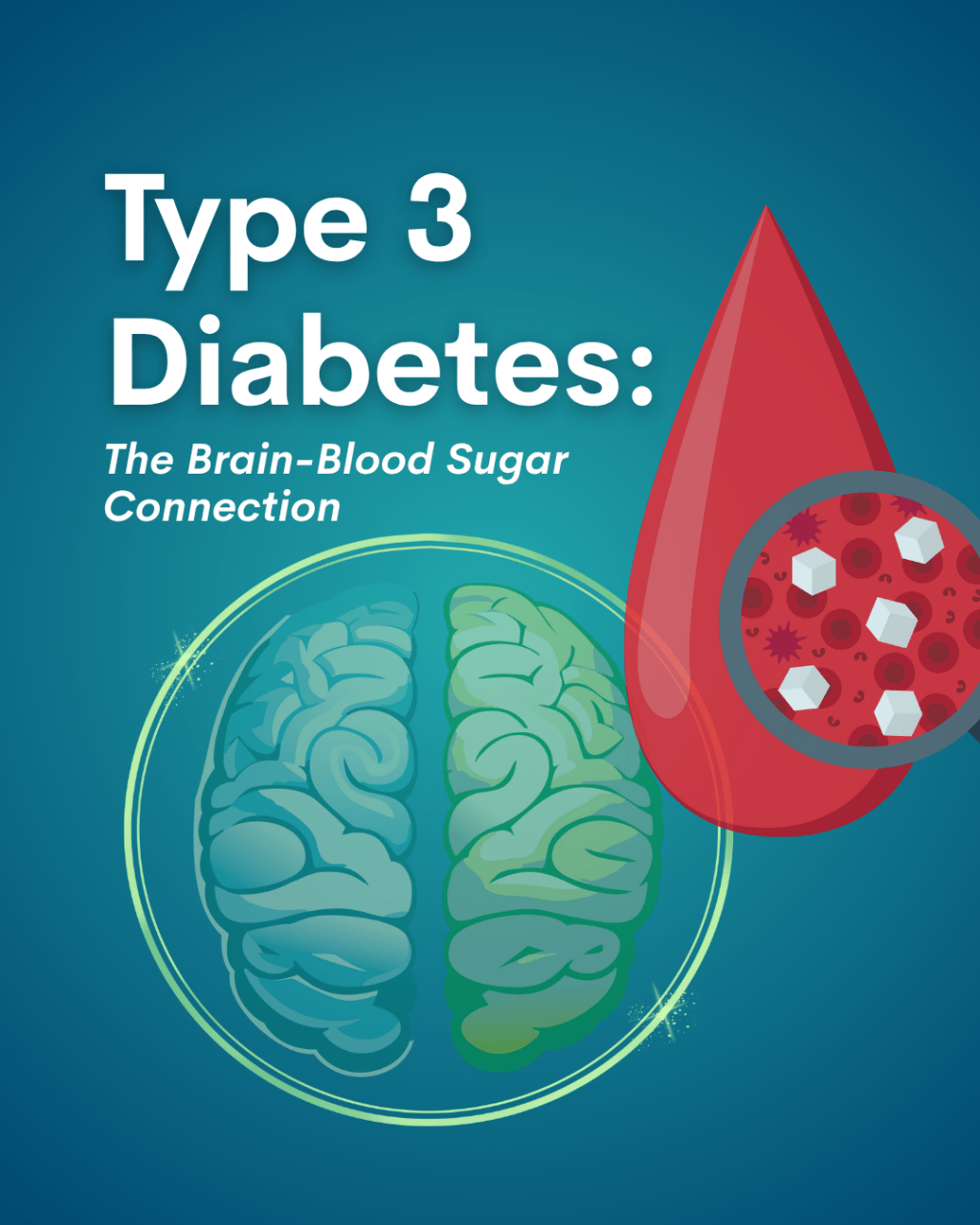
🌟[TT] Type 3 🧠
After last week’s post about blood sugar balance, several of you replied saying how much you enjoyed it – thank you!
I love getting your replies as they help me tailor these Thursday Tips to be relevant and helpful for you.
Continuing the blood sugar theme: have you heard of Type 3 Diabetes?
It’s not actually a new diabetes category.
It’s a term highlighting how insulin resistance – where your body loses sensitivity to insulin that regulates blood sugar – contributes to cognitive decline.
Some researchers call it “diabetes of the brain.”
Today I’m sharing 3 non-food causes of blood sugar swings and what you can do about them. As I write this, I notice they’re all S’s!
📍3 Ways to Stabilise Blood Sugar (Beyond Food)
🌟1️⃣ Sleep – Protect Your Hours
Sleep disruption affects your body’s ability to stabilise blood sugar in two ways: by reducing insulin sensitivity and increasing cravings for sugary snacks.
Even one night of poor sleep can increase insulin resistance the following day. But fear not! There are things you can do about this.
Try this: Choose a consistent bedtime this week and protect it. Notice what stops you from keeping it – awareness is the first step to change.
🌟2️⃣ Sedentary – Break It Up
Modern desk work means many people sit for 8+ hours daily, which affects blood sugar regulation.
Your muscles are major glucose consumers, but they need movement to do their job effectively.
Try this: Move between work tasks. Step away to refill your water bottle, take phone calls standing or walking, or do a quick stretch every hour.
🌟3️⃣ Stress – Press Pause
Stress releases cortisol, which does two things: increases blood sugar release from your liver into your bloodstream, and reduces your body’s insulin effectiveness.
Short term stress isn’t so much of the problem.
It’s when stress becomes chronic, where it can create an environment of elevated blood sugar and reduced effectiveness of insulin (insulin resistance).
Try this: When you notice your body tensing or a stressful situation arising, pause for 3 slow breaths. This brief reset can shift your response, provide some perspective, and improve your blood sugar regulation.
📍Why This Matters for Your Brain
Your brain uses 20% of your body’s energy despite being only 2% of your body weight.
When insulin resistance develops, your brain cells struggle to use glucose effectively – leading to what researchers call “Type 3 Diabetes.”
Studies show insulin resistance in the brain is linked with reduced cognitive function, impaired memory formation, and increased risk of Alzheimer’s disease.
The connection is so strong that some scientists view Alzheimer’s as a metabolic disease of the brain.
📍Try This Week
Pick one of the three S’s – sleep, sedentary, or stress – and implement that strategy for 7 days. Notice how your energy and mental clarity respond.
📍Question for you today
Which of these three non-food factors do you think has the biggest impact on your blood sugar – and which will you tackle first this week?
Wishing you steady energy and sharp thinking,
Dr Sui Wong
PS – Let me know which strategy you tried and how it worked! Your replies help shape both Thursday Tips and content for my private podcast episodes – thank you!
PPS – More on blood sugar and brain health in “Sweet Spot for Brain Health” with practical strategies for meal timing, movement, and stress management that work together (like threads!) to support metabolic health.
*References:
Wong (2024) Sweet Spot for Brain Health
books2read.com/u/br2l8z
❓ FAQ
Q: What is Type 3 Diabetes?
Type 3 Diabetes is a term describing how insulin resistance affects the brain, impairing glucose use and contributing to cognitive decline.
Q: How does stress raise blood sugar?
Chronic stress triggers cortisol, which releases more glucose into the bloodstream and reduces insulin’s effectiveness.
Q: Can improving sleep really support brain health?
Yes — quality sleep enhances insulin sensitivity and helps regulate blood sugar, supporting overall brain function.
📌 Summary
“Type 3 Diabetes” refers to insulin resistance affecting the brain. Beyond food, sleep, sedentary habits, and stress all play vital roles in blood sugar balance. By improving these, you can enhance energy, focus, and long-term brain health.
Books: available where all good books are sold, in print, eBook and audiobook formats. LEARN MORE: Mindfulness for Brain Health , Break Free From Migraines Naturally, Sleep Better to Thrive, Quit Ultra-Processed Foods Now, Sweet Spot for Brain Health. NEW BOOK! Magnesium: Restore & Revitalize Your Brain & Body
Spread the love! Share this post with someone who will enjoy my Thursday Tips [TT] newsletter.
If you received this as a forwarded link, please sign up to the [TT] newsletter via bit.ly/drwongbrainhealth
INSTAGRAM: drsuiwong.neurologist | LINKED IN: linkedin.com/in/dr-sui-wong-neurologist
My mission here is to share good quality, actionable information that empowers people to improve their brain health and wellbeing.
Thank you for your support!
 Dr Sui Wong Empowering Your Brain Health
Leave a comment