🌟[TT] nocebo 🧠
Following on from last week’s Thursday Tips about the power of the placebo effect and how to harness it, have you heard of the flip side of the same coin: the nocebo effect?
The nocebo effect is when negative expectations create negative outcomes.
Just as believing something will help can make it helpful, believing something will harm can actually cause harm, even when there’s no physical reason for it.
Think of reading medication side effects and suddenly experiencing them. Or feeling worse after googling your symptoms!
I recall a chat with a good friend who loves these weekly TT and regularly recommends them to others (thank you, L!). During a conversation with her sister, her sister said she didn’t want to feel bad about “not doing the right things”, and I’m glad L highlighted that the vibe of this newsletter is about empowering with fun, interesting tips. Not making one feel bad.
I hope that’s the case with you, my lovely readers, as I love it when I get your messages that you found a particular newsletter helpful.
There is no lack of health information out there.
The question is: how do we implement it (without the guilt or overwhelm), and how do we frame things when they’re not going according to plan?
This is at the forefront of my mind as I am writing my book about the BRA(i)NS® method.
How do I help readers avoid “feeling guilty” or think they are negatively affecting their health if they’re not practising a brain-healthy habit “perfectly”?
Today, I’d like to share 3 ways to counter the nocebo effect to protect your brain health.
📍3 Ways to Protect Yourself from the Nocebo Effect
🌟1️⃣ Reframe “Slip-Ups” as Single Events, Not Patterns
Yes, I’ve shared how blood sugar swings can affect cognitive function, from temporary “brain fog” to longer-term risks like “Type 3 diabetes” (covered previously).
But here’s the thing, it’s also okay to enjoy that cake or sugar treat!
The occasional sugar swing is absolutely fine – trust your body, it can handle it.
And “slip-up” in quotation marks. Because who says it has to be considered a slip-up at all? What if it’s simply a conscious choice to enjoy something?
Try this: Make a conscious choice and enjoy that carbohydrate-heavy snack or meal once in a while. Say to yourself: “This one treat won’t define my health. My overall pattern matters more.”
🌟2️⃣ Trust Your Body’s Resilience
I often hear worries about sleep. Yes, sleep is important for brain health. It clears toxins and consolidates memories.
But what about when you have a bad night’s sleep?
It’s okay, don’t worry. One off is fine. Your brain and body are remarkably resilient.
Try this: After a poor night, tell yourself “My body knows how to recover from this.” Then make minor adjustments for better sleep tonight*.
🌟3️⃣ Use Compassionate Self-Talk
When you read about something you’ve been doing that might affect your health (e.g. stress, physical inactivity, ultra-processed foods), what do you say to yourself?
Instead of: “Oh no, I’m damaging my brain” Try: “I’m learning what works for my body, and I have the capacity to make changes that feel right for me.”
Instead of: “It’s too late to change.” Try: “Every small step I take from today supports my brain health.”
📍Try This Week
Next time you read health advice (even in this newsletter!), notice your internal response. If you feel anxious or guilty, pause and reframe: “This is information, not judgement. I’ll use what serves me.”
📍Question for you today
What health “rule” have you been stressing about that you could reframe with more compassion and flexibility?
Wishing you self-compassion and resilience,
Dr Sui Wong
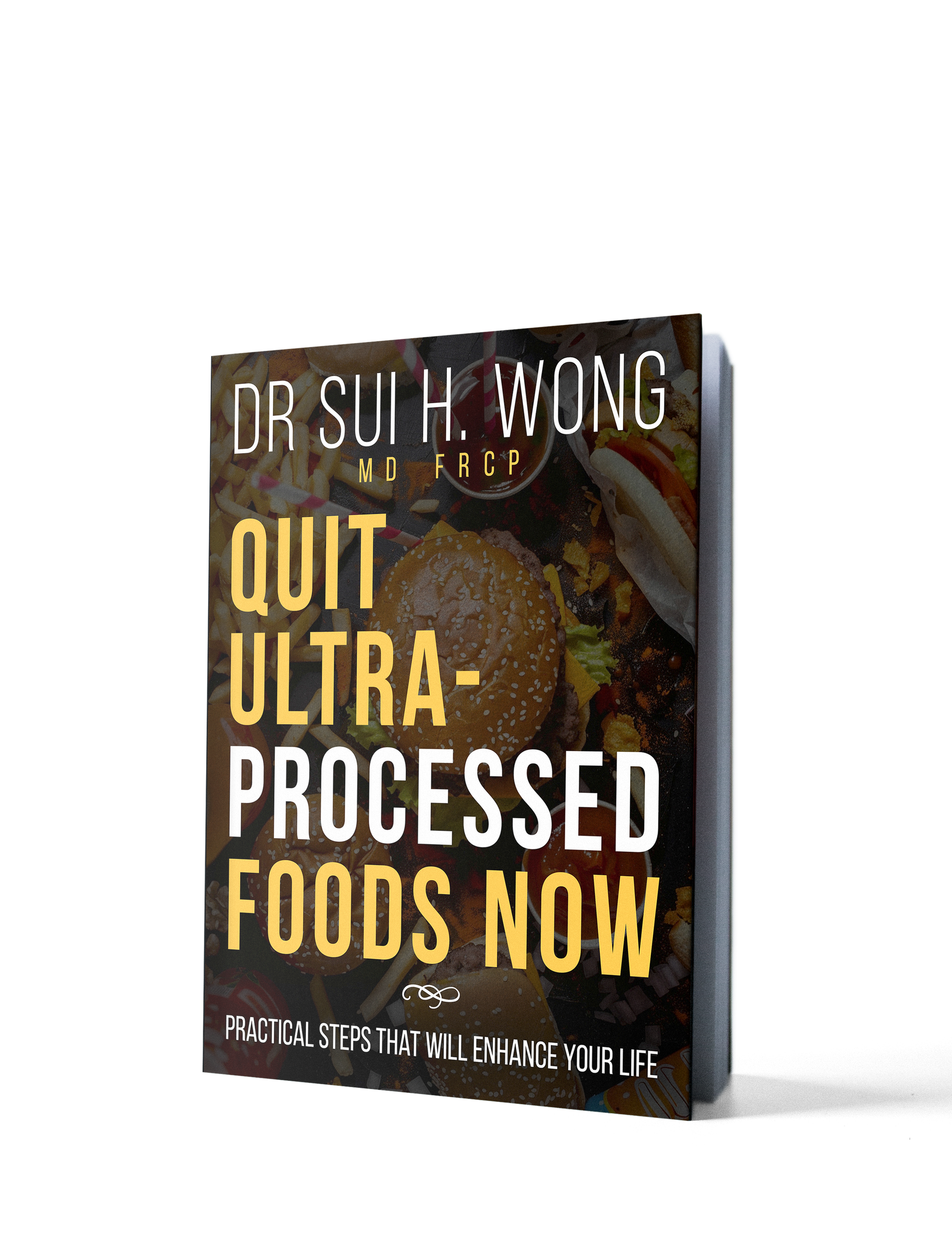
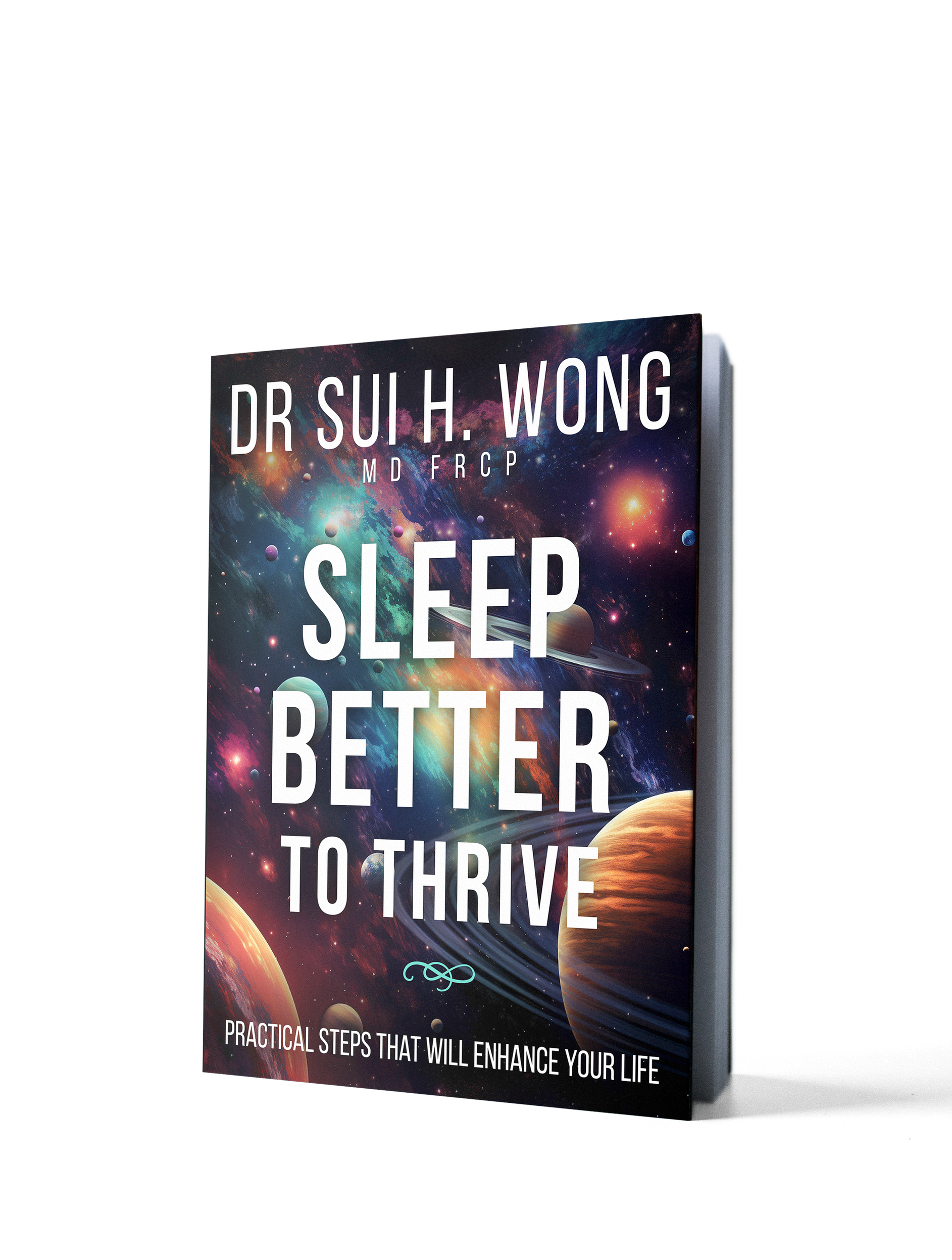
PS – *For gentle sleep tweaks without the stress, see “Sleep Better to Thrive” (click here to learn more). Wanting to do something about the amount of ultra-processed foods in your life? Here is a workbook to help you in a kind and empowering way, “Quit Ultra-Processed Foods Now” (click here to learn more)
PPS – I’d love for you to join my exclusive BRA(i)NS® Clarity Community for more chat and Q&A—continue the conversation from these Thursday Tips with me there. Last week, we had a good chat about the placebo effect! Just reply to this email and I’ll send you a personal invitation to join for free. 😊
References:
Cohen et al (2012), Benedetti et al (2006); Colloca & Miller (2011); Häuser et al. (2012); Petersen et al. (2014)
Cohen et al: https://pubmed.ncbi.nlm.nih.gov/22474371/
Benedetti 2006: https://pubmed.ncbi.nlm.nih.gov/17108175/
Colloca & Miller: https://pubmed.ncbi.nlm.nih.gov/21862825/
Hauser 2012: https://pubmed.ncbi.nlm.nih.gov/22833756/
Petersen 2014: https://pubmed.ncbi.nlm.nih.gov/24780622/
Summary:
The nocebo effect occurs when negative expectations cause negative outcomes. Just as belief can heal, fear and guilt can harm — through stress, inflammation, and self-fulfilling patterns. Learn three ways to protect your brain health by reframing thoughts, trusting your body’s resilience, and using compassionate self-talk.
❓ FAQ
Q: What is the nocebo effect?
The nocebo effect happens when negative expectations cause negative outcomes. If you expect something to harm you, your brain can trigger real stress, pain, or fatigue responses — even without a physical cause.
Q: How does the nocebo effect affect brain health?
Negative beliefs activate the body’s stress response, raising cortisol and inflammation levels. Over time, this can affect mood, memory, and cognitive performance.
Q: Can I prevent the nocebo effect?
Yes! Reframe “mistakes” as single events, trust your body’s resilience, and use compassionate self-talk. These mindset shifts calm your stress response and support brain health.
Q: Is the nocebo effect the opposite of the placebo effect?
Exactly. While placebo uses positive expectation to heal, nocebo is the flip side — where fear or doubt can worsen symptoms. The good news? Awareness lets you choose which side of belief you strengthen.
Spread the love! Share this post with someone who will enjoy my Thursday Tips [TT] newsletter.
If you received this as a forwarded link, please sign up to the [TT] newsletter via bit.ly/drwongbrainhealth
INSTAGRAM: drsuiwong.neurologist | LINKED IN: linkedin.com/in/dr-sui-wong-neurologist
My mission here is to share good quality, actionable information that empowers people to improve their brain health and wellbeing.
Thank you for your support!
 Dr Sui Wong Empowering Your Brain Health
Leave a comment